
The Rolf Movement™ Certification is a 225-hour international professional program that qualifies practitioners as Certified Rolf Movement™ professionals, expanding perceptual, clinical, and relational capacities within therapeutic practice.
The curriculum emphasizes embodiment, sensory awareness, tonic function, haptic perception, phoric orientation, peripersonal space, therapeutic relationship, attunement, and non-formulaic clinical reasoning.
Rather than teaching predetermined movement protocols, the program cultivates perceptual intelligence, presence, and the capacity to collaborate with the client’s lived experience.
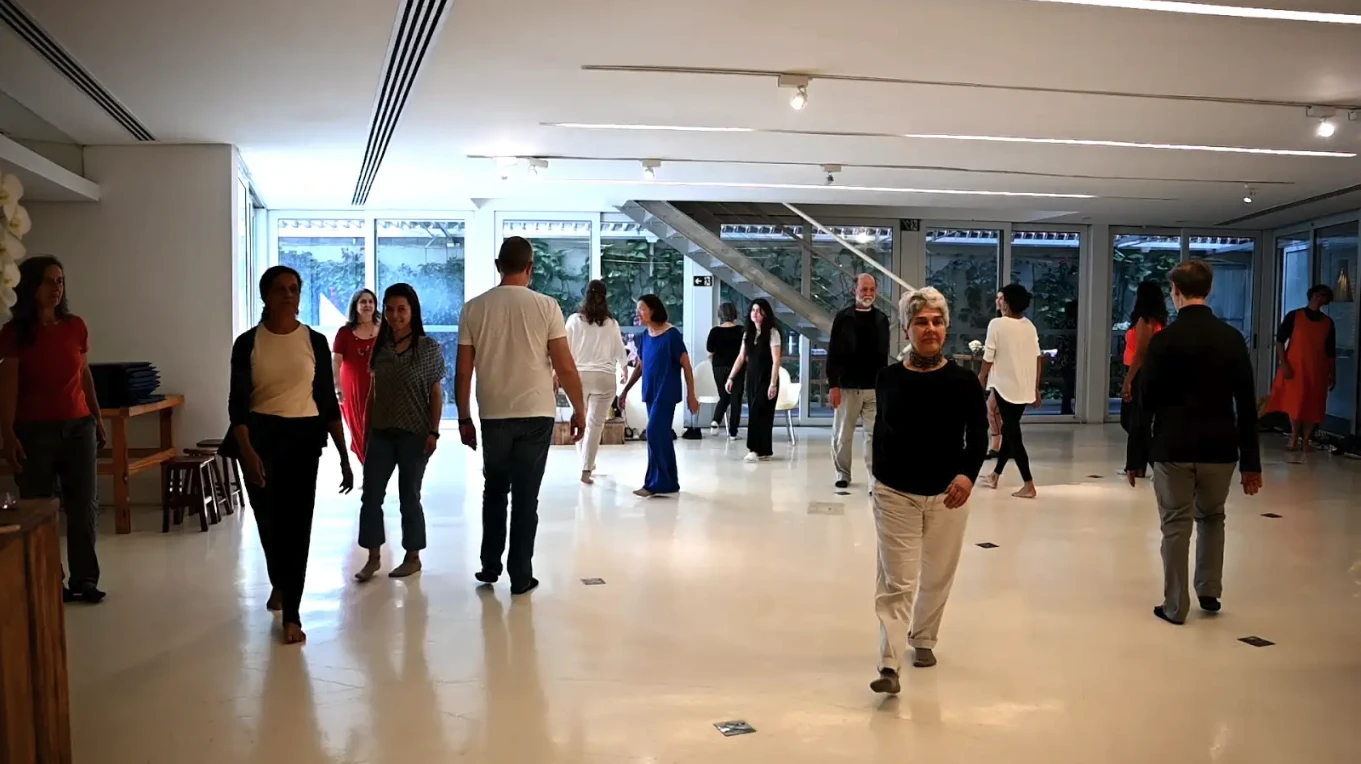
This certification is designed for:
Upon completion, participants will be recognized as Rolf Movement™ Practitioners, with international certification.
The training develops refined somatic perception, functional coordination, clinical presence, and movement–gravity integration, expanding the scope and depth of therapeutic practice.
The Brazilian Rolf Movement™ Training is a 225-hour course organized as follows:
This is a professional training program designed for eligible Rolfing® and movement practitioners seeking to deepen perceptual, relational, and clinical skills within the Rolfing® tradition.
Each 12-day module is structured around two 5-day teaching units, taught by co-faculty instructors, with two break days for rest and integration.
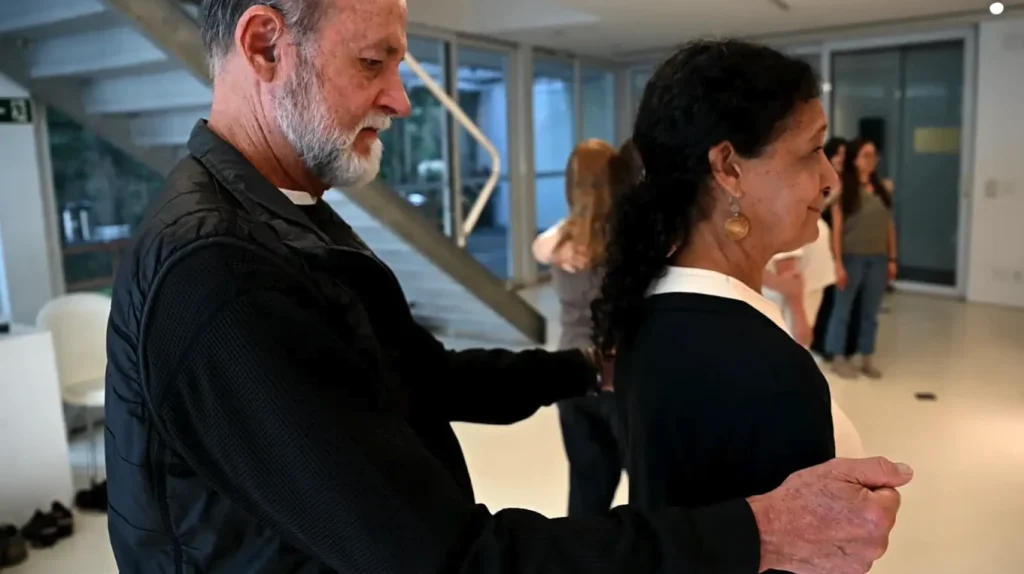
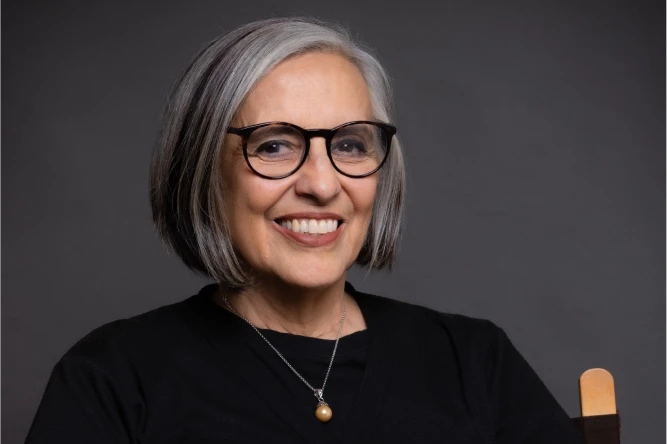
Lucia Merlino
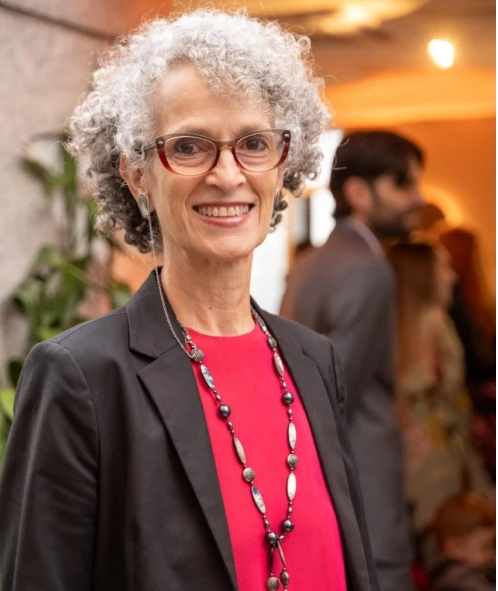
Yeda Bocaletto e Angela Lobo
Paula Mattoli
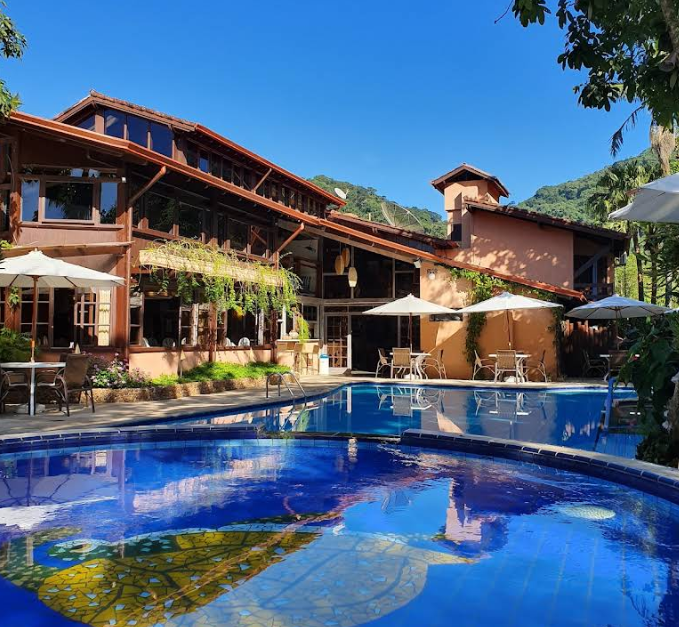
The full address and logistical details will be shared with registered participants.
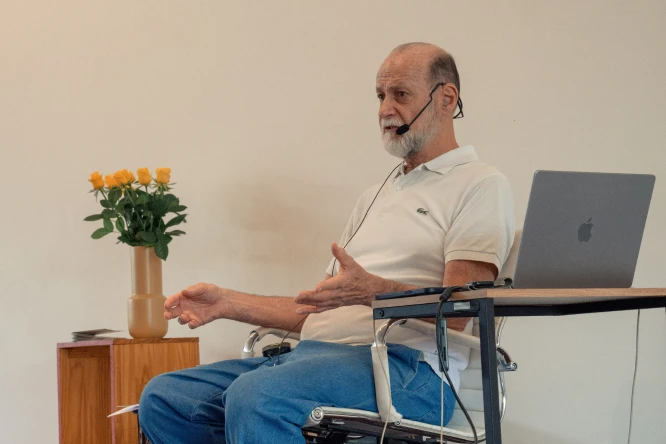
Pedro is an Advanced Rolfer™, faculty member of the Dr. Ida Rolf Institute®, and a leading international voice in the psychobiological perspective within Structural Integration. He has worked for decades in training Rolfers®, contributing significantly to global theoretical and clinical development.
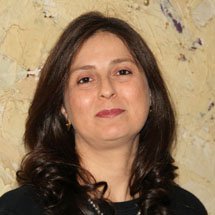
Advanced Rolfing® and Rolf Movement™ Practitioner (2004). She holds degrees in Physical Education from USP and Physiotherapy from UNIP, and has training in Yoga and Pilates. She studied with Hubert Godard, Konrad Obermeier, Pierpaola Volpones, Monica Caspari, and Luiz Fernando Bertolucci. She is currently in her third year of Osteopathy studies at CBO. For more than ten years, she has studied Emotional Anatomy – Formative Process with Regina Favre, and studied Holistic Gymnastics with Maria Emília Mendonça for seven years. She has been working with movement for over 40 years, integrating structure, movement, and expression in bodywork. She began teaching at ABR in 2011. Rolfing® Teacher: Units 1, 2 and 3, and Fascial Anatomy.
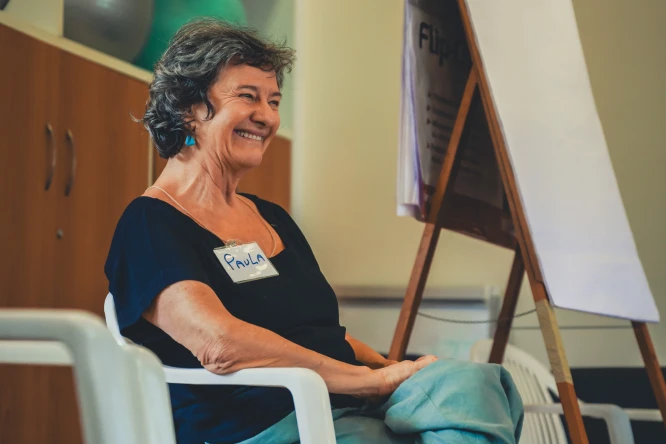
Paula works in the fields of Semiotics and the Arts. She has been a Rolfer since 1995 and an instructor at ABR since 2005. Throughout her career, she has studied Rolfing® with Robert Schleip, Lael Keen, Pedro Prado, Mônica Caspari, Vivian Jaye, Hubert Godard, Jan Sultan, Jeff Maitland, Tessy Brungardt, and Sally Klemm. She trained in Visceral Manipulation with Liz Gaggini, Craniosacral Therapy at the Milne Institute, MatrixWorks with Mukara Meredith, and Somatic Experiencing® with Peter Levine. She currently deepens her studies in the psychobiological dimension of Rolfing®, PTSD, and developmental movement psychology through the biodynamic system of Lizbeth Marcher. Paula is a founding member of NAPER (1998), where she continues to serve as a supervisor.
Coordinator and Lead Instructor for the Therapeutic Relationship program
Lucia has been teaching movement for more than 35 years through performing arts, dance, and somatic education. She completed Rolfing® SI and Rolf Movement® certification trainings in São Paulo and Buenos Aires. In addition to her training programs, Lucia teaches workshops and facilitates supervision groups for practitioners.
She holds a PhD in Arts from UNICAMP and an MA in Communication and Semiotics from PUC-SP. Her extensive study with Hubert Godard has been a profound source of inspiration for her work. Her current focus examines the transformative power of metaphor in shaping bodily awareness, and the role of imagery in supporting integration of somatic change.
Direitos reservados
 por Empreiteira digital